Ebraheem Al Samadi Calls Out Cannes Influencer Culture
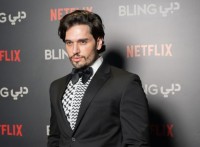

Ebraheem Al Samadi Calls Out Cannes Influencer Culture
Ebraheem Al Samadi has joined the conversation around influencer culture at Cannes with comments that question the way high-profile appearances are presented online. The Dubai Bling figure used a social-media discussion to address a trend that regularly attracts attention whenever major film and fashion events become a backdrop for creator content.
According to Khaleej Times, Khaleej Times reported on Al Samadi’s comments about influencer culture around Cannes and said he addressed the trend in a recent social-media discussion. The article is about his stated view, not a claim that every creator or event attendee fits one description.
Cannes is internationally associated with film, red-carpet fashion and luxury promotion, making it a natural focal point for debates about access, branding and online visibility. When a public figure comments on that environment, the response often extends beyond the original post because followers connect it to broader questions about authenticity in influencer marketing.
Al Samadi’s remarks matter because they add a Dubai Bling perspective to a global entertainment conversation. At the same time, the update should be read as commentary from one personality rather than as a complete account of the event or the people participating in it. The reported comments are the verifiable centre of the story.
For readers, the most reliable way to approach this update is to separate confirmed information from social-media speculation. The linked report provides the factual starting point, while future casting details, creative plans, appearances or personal comments should be treated as new developments only when they are independently confirmed. That approach makes the story more useful for fans and avoids turning a current, specific update into a claim about every possible next step.
Followers of Al Samadi may recognise the direct style that makes social-media reactions travel quickly, while readers interested in Cannes culture can see why the discussion resonated. The story is as much about the tension between curated visibility and perceived authenticity as it is about one individual statement.
The linked Khaleej Times report is the reference for the comments. Any further response from Al Samadi or the people he discussed should be treated as a separate, confirmable development rather than assumed from the initial conversation.
This update also has value because it gives audiences a precise reference point in undefined's current public work. Entertainment news often moves from a short announcement to many reposts, reactions and predictions, but the most useful coverage keeps returning to what has actually been reported. Here, the focus is the event, discussion, interview, appearance or profile described in the linked article. That gives readers a dependable way to follow the story without confusing background interest with a confirmed new development.
There is a broader professional context as well. Public figures work across several spaces at once—screen projects, live appearances, fashion, business, interviews and direct fan communication—and not every headline defines an entire career. A carefully framed update can still be meaningful: it shows where attention is now, why an audience is responding and what official information is available. Readers who want more detail can use the embedded source link, while later reporting can add to the picture only when it brings new, attributable facts.
For now, Ebraheem Al Samadi Calls Out Cannes Influencer Culture is best understood as a current, source-based update rather than a conclusion about every future possibility. That balance keeps the story useful for fans while respecting the difference between verified reporting and online speculation.