Madison Bailey Reflects on Representation as Outer Banks Ends
Madison Bailey Reflects on Representation as Outer Banks Ends
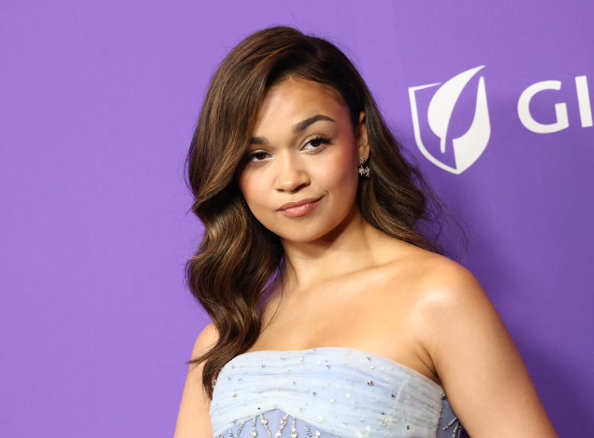
Madison Bailey has reflected on representation and the end of Outer Banks as the series reaches its conclusion. Her comments place a personal and industry-wide question alongside the closing chapter of a major streaming show: how television audiences see queer characters and performers represented in the stories that become cultural touchstones.
In a report from Deadline, the following information was confirmed: Deadline interviewed Bailey as Outer Banks moved toward its conclusion. In the discussion, she addressed the series’ approach to queer representation and spoke about the next stage of her career, connecting the final stretch of the show with a broader conversation about visibility in entertainment.
A concluding season often encourages cast members and audiences to look back at what a series meant beyond individual plotlines. For Bailey, the discussion provides room to consider representation as part of that legacy. It is not simply a matter of one character or one scene; it is about who feels seen in mainstream programming and how actors use a high-profile platform to discuss the gaps that remain.
The interview is significant because it comes from Bailey’s own perspective during a pivotal professional transition. The report identifies the themes she raised, but it should not be read as a substitute for every future project or decision she may make. The confirmed news is that she spoke candidly about representation while Outer Banks comes to an end, and that she is looking ahead to what follows in her career.
For readers following Madison Bailey, the useful takeaway is to keep the confirmed update at the center of the conversation. The available report establishes the event, announcement or appearance described above; it does not automatically establish every possible future outcome. That distinction matters when a celebrity story moves quickly across social platforms, where brief captions and reposts can make a single development seem broader than the information currently supports.
For viewers, the conversation can sharpen the way a final season is watched. Fans may return to the show with more attention to the experiences and perspectives surrounding its cast, while industry observers can take the interview as another reminder that representation remains an ongoing issue rather than a completed achievement. Bailey’s comments add nuance to an already emotional farewell for the series.
It is also worth viewing this news in the context of a public career that can span screen work, live appearances, brand activity and direct engagement with fans. A single update can be meaningful without needing to be overstated. The details confirmed in the linked report provide the clearest basis for understanding why this moment is attracting attention and why people interested in Madison Bailey's work may want to follow what comes next.
As Outer Banks closes, Bailey’s interview leaves the story with a point of reflection as well as a sense of transition. The linked Deadline conversation is the primary reference for her remarks, and it offers the clearest account of how she is framing this moment in both the life of the show and her own next chapter.